Why UAE Entrepreneurs Choose to Form a US LLC for Global Trade
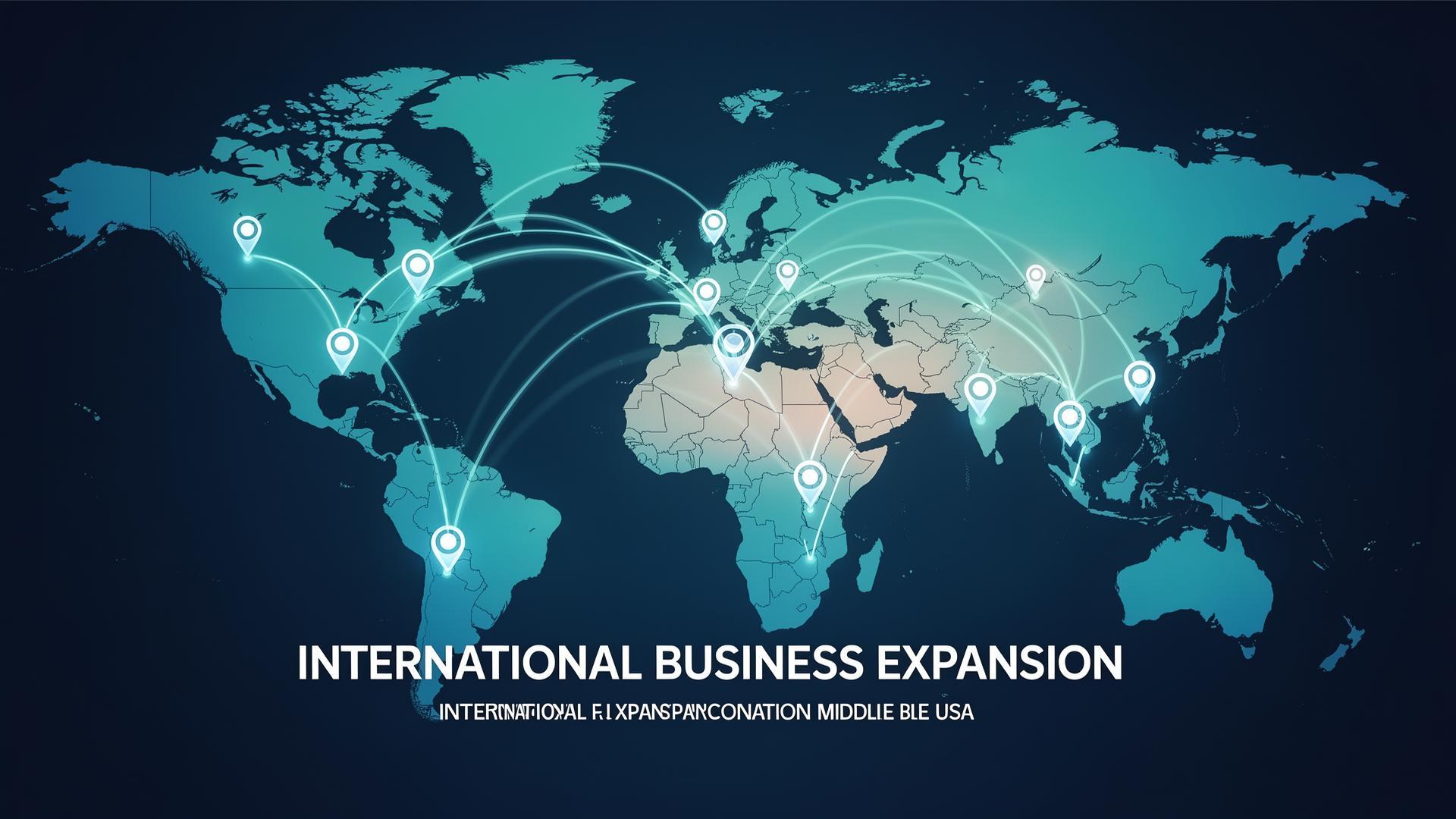
Across Dubai, Abu Dhabi, Sharjah and the wider UAE, a growing number of founders sell to customers in the United States, Europe and beyond — yet they keep hitting the same wall. The global payment and banking infrastructure they need was largely built around US and Western companies, and platforms like Stripe and PayPal are far easier to access through a US entity than through many local structures. That is the real reason so many UAE entrepreneurs form a US LLC: not to leave the Emirates, but to add a globally trusted payment and banking layer on top of the business they already run. This guide walks through the genuine benefits, the US tax-filing obligations that are widely misunderstood, and how the whole process works remotely from the Gulf.
1. Global Credibility
Operating through a US entity gives customers in America and Europe an immediate sense of trust, which tends to lift conversion rates on checkout pages and shorten B2B sales cycles. A US LLC is recognised worldwide as a familiar, credible business form, and that recognition opens doors to partnerships, marketplace approvals and supplier relationships that can be harder to secure with a less familiar structure.
For a founder building a software product, an agency or an e-commerce brand, perception matters. When an international client sees a US company name on an invoice, a contract or a payment page, friction drops. The LLC does not replace your UAE operation — it simply gives your global-facing business a vehicle that customers, processors and partners already understand.
2. Advanced Banking Solutions
As an LLC owner you can apply for digital business banking — providers such as Mercury and Relay are popular with non-residents — without leaving your home in Dubai or Riyadh. These platforms were designed for remote, internet-first companies, which is exactly what a Gulf-based founder serving global customers needs. Typical features include:
- 100% remote account opening with no need to travel to the US
- Virtual and physical debit cards for online and in-person spend
- International transfers at competitive, transparent rates
- Integration with payment gateways such as Stripe and PayPal
One realistic note: opening an account is never guaranteed. Each provider runs its own compliance checks, policies change, and applicants are sometimes asked for more documentation or declined. A US LLC plus an EIN is the baseline that puts you in the strongest position — treat banking as a separate step to work through, not a switch that flips on automatically the moment your company is formed.
3. US Tax Treatment for UAE-Resident Owners
This is where misinformation is most common, so it is worth being precise. A US LLC owned by a UAE-resident, non-US person — with no US employees, no US office and no US-source income — is generally treated by the IRS as a “disregarded entity.” In that situation the LLC itself typically owes 0% US federal income tax on its profits, because the income is neither US-source nor effectively connected to a US trade or business. That genuine outcome is what most UAE founders are actually looking for.
- Potentially 0% US federal income tax on profits — only where the company has no US-source income and you file the required US returns each year
- Form 5472 plus a pro-forma Form 1120 must be filed with the IRS every year, even when zero tax is due
- There is NO US–UAE income tax treaty in force — your 0% result comes from US domestic “disregarded entity” rules, not from any “double taxation avoidance agreement” with the United States
- Always confirm your specific position with a qualified cross-border tax advisor before relying on any of this
The key point is that 0% federal tax does not mean zero paperwork. A foreign-owned single-member US LLC must file Form 5472 together with a pro-forma Form 1120 every year, reporting reportable transactions between the company and its owner. Penalties for a missed or late filing start at US$25,000, so this is a recurring obligation rather than an optional formality. It also has nothing to do with a treaty: the United States and the UAE do not have an income tax treaty (often loosely called a “double taxation avoidance agreement”) covering income tax in force, so any benefit you receive flows from how the income is characterised under US domestic law.
Correction & caveat: a US LLC owned by a UAE-resident non-US person may legitimately pay 0% US federal income tax — but only as a disregarded entity with no US-source income, and only while filing Form 5472 and a pro-forma Form 1120 each year. There is no US–UAE tax treaty behind this result. Tax outcomes are fact-specific; consult a qualified cross-border tax advisor before acting.
4. Access to Global Payment Gateways
Once your US company is formed and you have an EIN and a bank account, you can apply for the payment tooling that international businesses depend on. This is frequently the single biggest reason UAE founders start the process at all — getting reliable, low-friction access to the card networks and processors that expect a US or Western business. Common options include:
- Stripe: One of the world’s leading payment gateways for e-commerce and SaaS
- PayPal Business: Accept payments from customers almost anywhere in the world
- Square: Integrated online and in-person payment solutions
- Braintree: A flexible processor often favoured by startups and platforms
As with banking, approval is decided by each provider on its own terms and can change over time. Having your entity, EIN and documentation in order is what consistently puts founders in the best position — it does not remove the underwriting step, but it removes the most common reasons for an early rejection.
5. A Setup Designed to Run Remotely
None of this requires a flight to the United States or a US partner. At a high level you choose a state and register the LLC, obtain an EIN from the IRS, and appoint a registered agent in your formation state. Wyoming and Delaware are popular choices for non-residents because of their privacy and low ongoing costs. From there, banking and payment onboarding happen online. The entire structure is built to be operated from a laptop in the Gulf, which is precisely why it suits founders running lean, internet-first businesses.
It is worth keeping a clear mental separation between the two halves of the project. Forming the entity is the predictable, well-defined part. Getting a specific bank or processor to approve you is the part decided by third parties with their own checks. Plan for both, and you avoid the disappointment of treating formation and banking as a single guaranteed package.
How We Help You at OpenEntity
OpenEntity handles the formation end of this entirely remotely, so you can focus on the business rather than the paperwork. Our service is built around getting UAE and wider Gulf founders to a working, compliant US company quickly. It includes:
- Forming an LLC in Wyoming or Delaware, typically within 48 hours
- Obtaining your EIN tax identification number
- Guidance and support when applying for a business bank account
- A US business address you can use on invoices and applications
- Registered agent service in your formation state
We do not file your US tax returns or give tax advice, and we are deliberately clear about that. What we do is get the entity, EIN and supporting documentation right so that your annual Form 5472 filing and your banking applications start from a solid foundation — and we will always point you toward a qualified cross-border advisor for the tax questions that depend on your specific facts.
UAE Founders and US LLCs — FAQ
Does a UAE owner of a US LLC really pay 0% US federal tax?
Often, yes — but with conditions. A US LLC owned by a UAE-resident, non-US person and treated as a disregarded entity, with no US employees, no US office and no US-source income, generally owes 0% US federal income tax on its profits. That result depends on your facts and on filing the required US returns every year. Confirm your own position with a qualified cross-border tax advisor.
Is there a US–UAE tax treaty?
No. As of 2026 the United States and the UAE do not have an income tax treaty in force. A 0% US federal tax result for a UAE-owned LLC comes from US domestic “disregarded entity” rules — not from any “double taxation avoidance agreement” with the United States. Be cautious of any source that claims otherwise.
What is Form 5472 and do I have to file it?
Form 5472, filed together with a pro-forma Form 1120, is an annual IRS information return for foreign-owned single-member US LLCs. It reports transactions between the company and its foreign owner. You must file it every year even if the LLC owes no tax, and penalties for missing it start at US$25,000. It is a recurring obligation, not a one-time step.
Can I open Stripe and a US bank account from the UAE?
Many UAE founders do, and the whole process is remote. A US LLC plus an EIN is the baseline, and you typically supply a passport, proof of address and a clear description of your business. That said, approval is at each provider’s discretion, policies change, and applications can be declined or sent back for more information. Treat banking and payments as a separate step from formation.
Do I need to travel to the United States to set this up?
No. Formation — state registration, EIN and registered agent — is handled entirely remotely from the UAE, and most banking and payment onboarding is done online. You should still keep proper records and meet your reporting obligations both in the US and in your country of residence.
Disclaimer: OpenEntity is a private consulting firm and does not provide legal or tax advice. Tax statements in this article are general in nature and there is no US–UAE income tax treaty. Please consult a qualified cross-border tax advisor for your specific situation.
Ready to form your US company?
Our team is ready to help you every step of the way. Start today and get your company within 48 hours.